
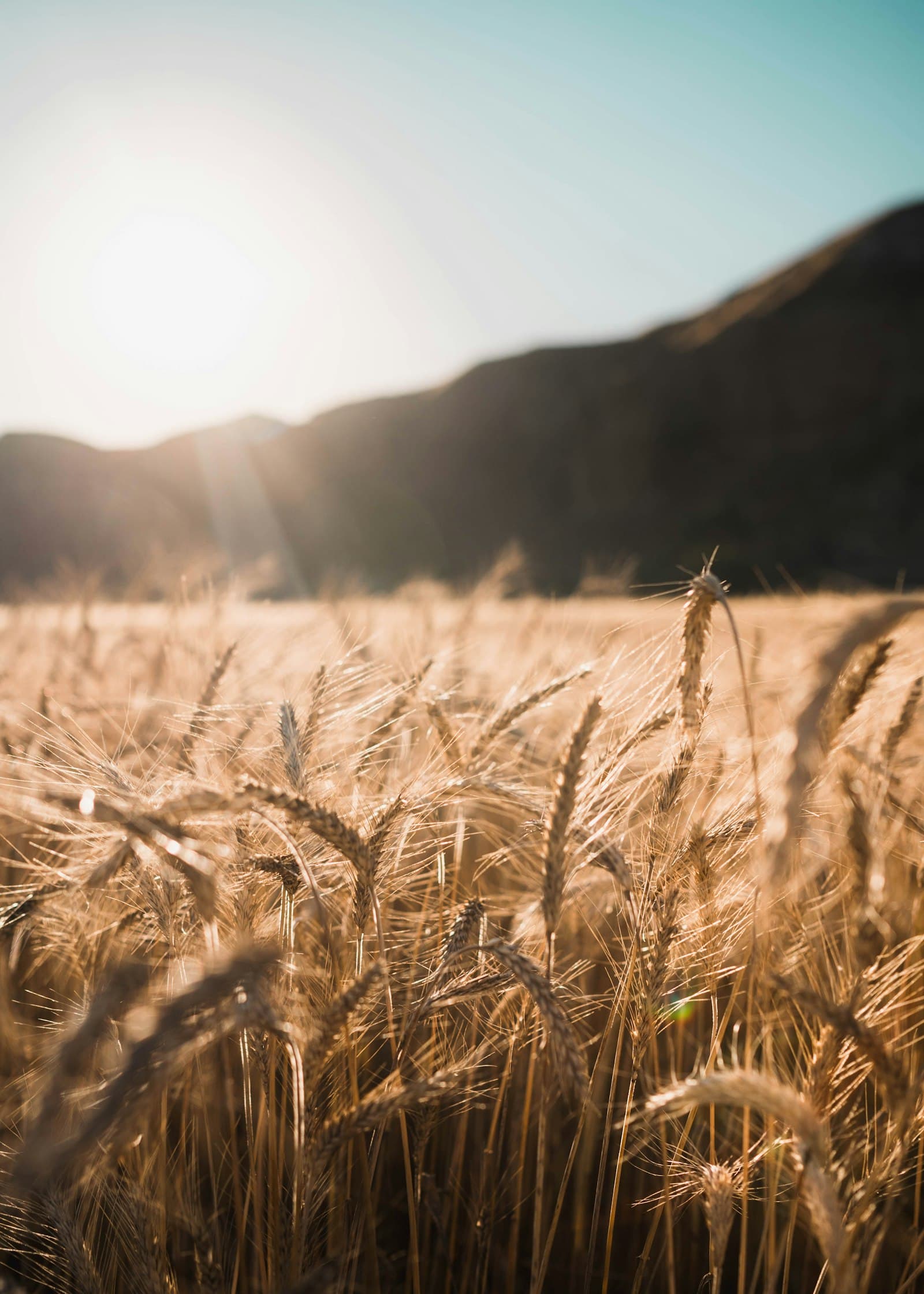
Wheat Market Insight
Based on the 30-day trend in the published price series.
ADM Agriculture (a real UK grain merchant, not AHDB) publishes weekly indicative feed wheat prices. Their quote has continued to climb — £169/t (9 July 2026) to £187.50/t (13 August) to £191.50/t (20 August), a 13% rise over roughly six weeks, consistent with the weak 2026 harvest. A year ago (31 July 2025) the equivalent figure was £163/t.
30-day trend
90-day trend
12-month trend
What's moving the market?
Facts
ADM Agriculture's indicative feed wheat quote has climbed from £164-174/t (9 July 2026) to £180-195/t (13 August) to £184-199/t (20 August). The 2026 UK harvest has been hit by drought and extreme heat: early evidence points to lower yields for wheat, spring barley, oats and grassland, with farmers reporting one of the earliest harvests in 20 years (Farmers Guide; ECIU harvest-impact analysis, Aug 2026).
Forecast
A materially smaller 2026 harvest is the kind of supply shock that has historically reversed multi-year grain price declines — tighter domestic supply typically supports prices, all else equal. How much of an effect depends on the final scale of the yield loss and on global wheat supply outside the UK, which we have not assessed here.
Facts and forecasts are shown separately. A forecast is never a certainty.
What to watch
- Current position
- ADM Agriculture (a real UK grain merchant, not AHDB) publishes weekly indicative feed wheat prices. Their quote has continued to climb — £169/t (9 July 2026) to £187.50/t (13 August) to £191.50/t (20 August), a 13% rise over roughly six weeks, consistent with the weak 2026 harvest. A year ago (31 July 2025) the equivalent figure was £163/t.
- Key drivers
- UK 2026 harvest size — hit by England's driest July on record (Met Office: 6.5mm, 10% of the 65mm long-term average) during the critical grain-fill period, and now clearly showing in ADM Agriculture's weekly indicative price; global wheat supply and stocks; currency; and demand from compounders and millers.
- What industry sources are expecting
- Coverage has focused on yield damage and an early harvest rather than a specific price forecast; we have not cited a named analyst's wheat price call for the rest of 2026 because we have not seen one we can confidently attribute.
- CardiganBayAI outlook
- This is the clearest case among the commodities we cover: a genuinely poor 2026 harvest is the kind of event that has historically pushed grain prices up after a multi-year decline. We would flag upward pressure as the more likely direction from here, but we do not know the harvest's final scale yet, so treat this as a reasoned expectation, not a forecast to trade on.
This is CardiganBayAI's analysis, not financial or trading advice.
What's expected next?
- Confirmed
- ADM Agriculture's indicative feed wheat price rose to £184-199/t on 20 August 2026, up from £164-174/t in early July — roughly a 13% increase in six weeks. England had its driest July on record since 1836: 6.5mm of rain against a 65mm long-term average (10%), falling during the critical grain-fill period for the 2026 harvest. Southern England had its driest month ever recorded in a series dating to 1836: 1.9mm, just 3% of average. Rain returned across southern England in the week to 19 August 2026 — too late to change the 2026 combinable crop.
Recent developments
No recent developments logged yet.
Sources & methodology
- ADM Agriculture — Weekly Market Report — data as of 2026-08-20
CardiganBayAI analyses publicly available information from named sources above. We don't display information as current beyond what those sources have actually verified.